Boiler House for a Biomethane Complex
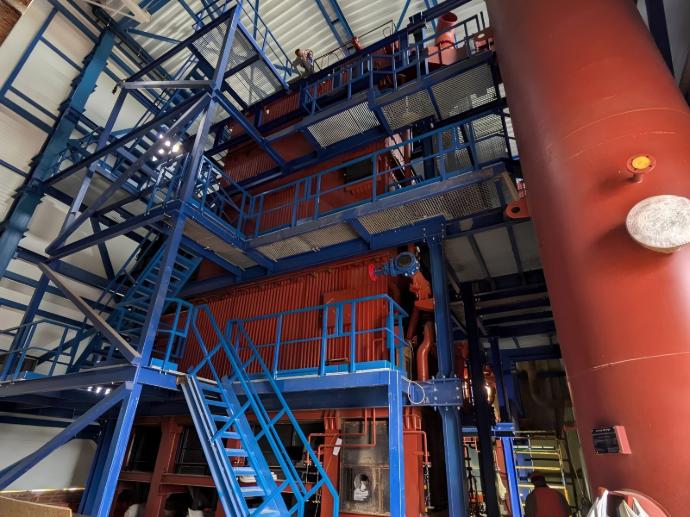
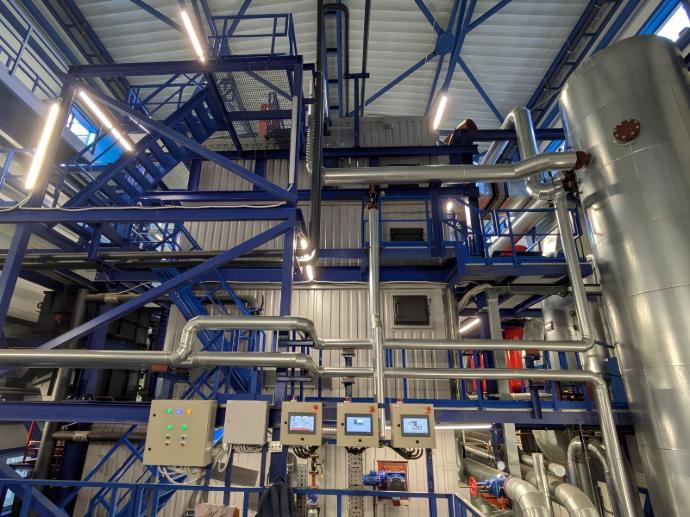
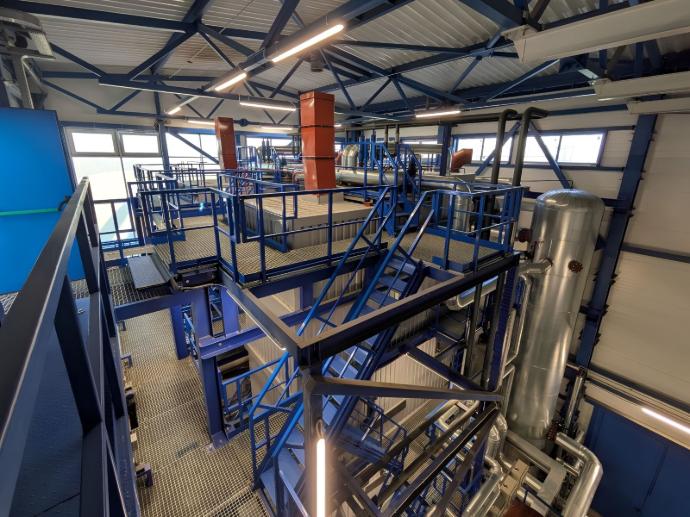
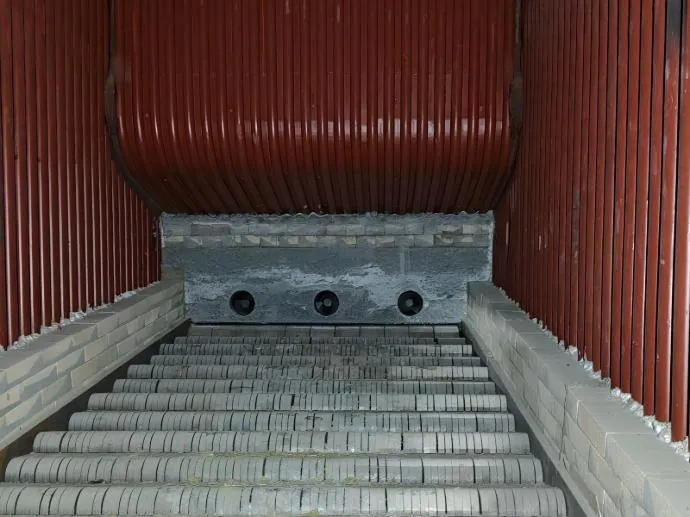
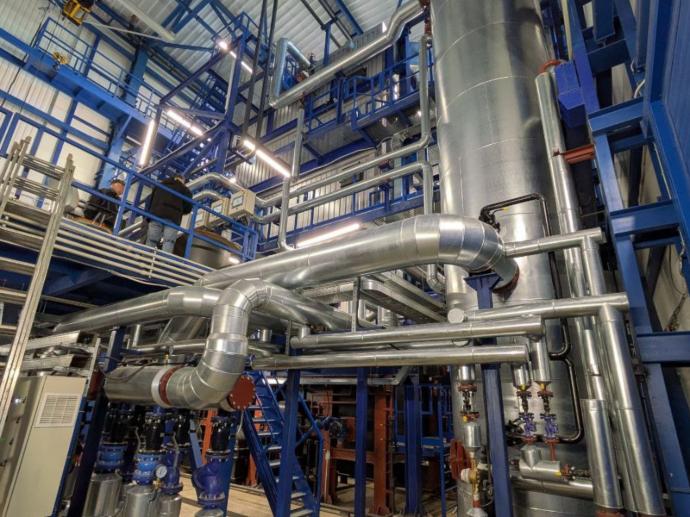
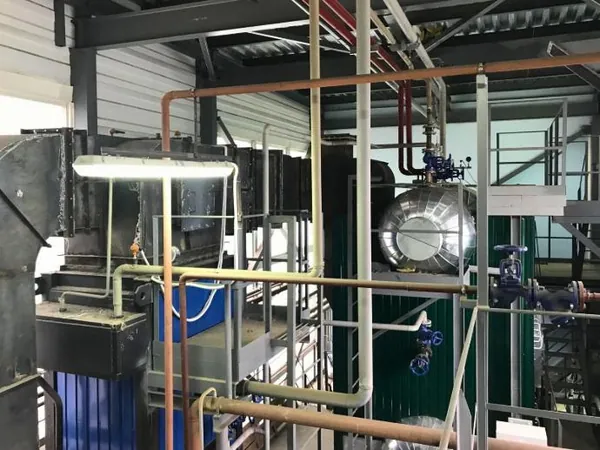
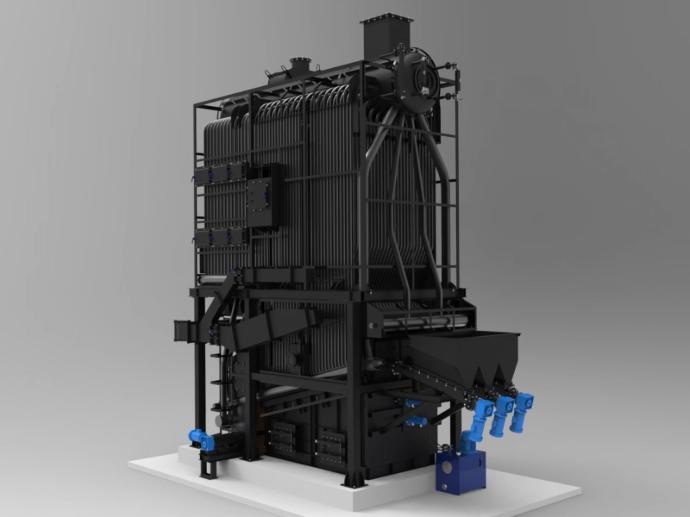
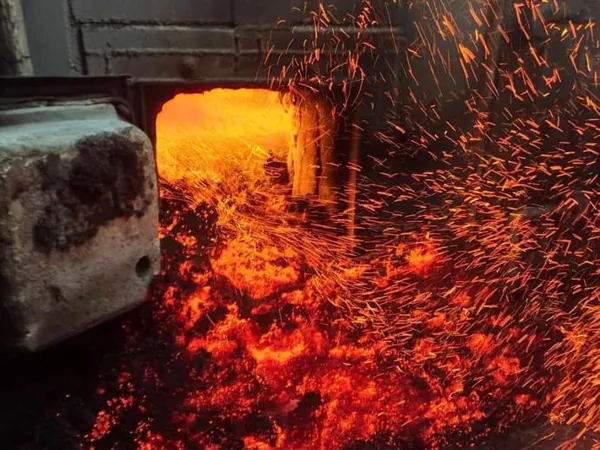
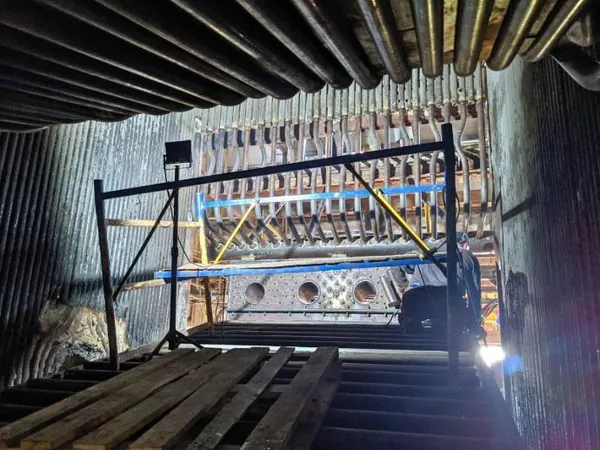
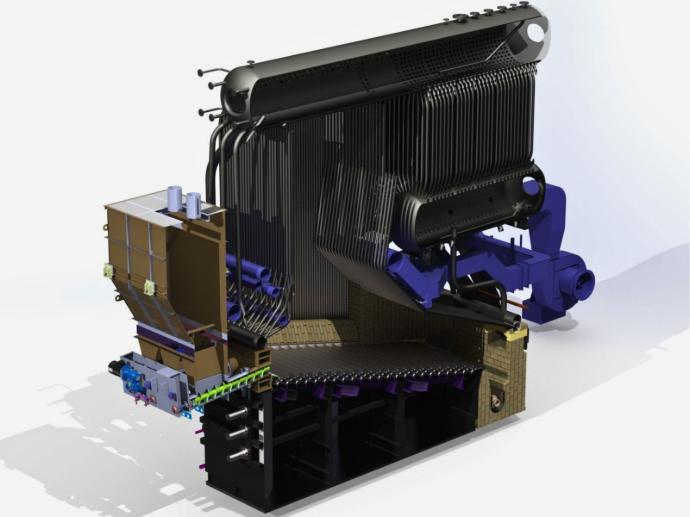
As part of the construction of a biomethane complex, a separate boiler house was implemented to supply process consumers with thermal energy. The solution is based on two Energo.Design water-tube hot-water boilers with a unit capacity of 5 MW each.
The boiler house is designed to operate on sunflower husk. The EPC scope included the boiler house design as a separate complex, manufacturing of two boilers and part of the additional equipment, supply of auxiliary equipment, installation, and commissioning works.
Technical parameters:
- Boiler house thermal capacity — 10 MW
- Boiler type — water-tube hot-water boilers
- Fuel — sunflower husk
- Operating pressure — up to 16 bar
- Heat carrier temperature for process consumers — up to 150 °C
- Completion date — 2025
- Facility type — boiler house for a biomethane complex
Steam supply for an industrial plant through waste heat recovery from gas engine exhaust
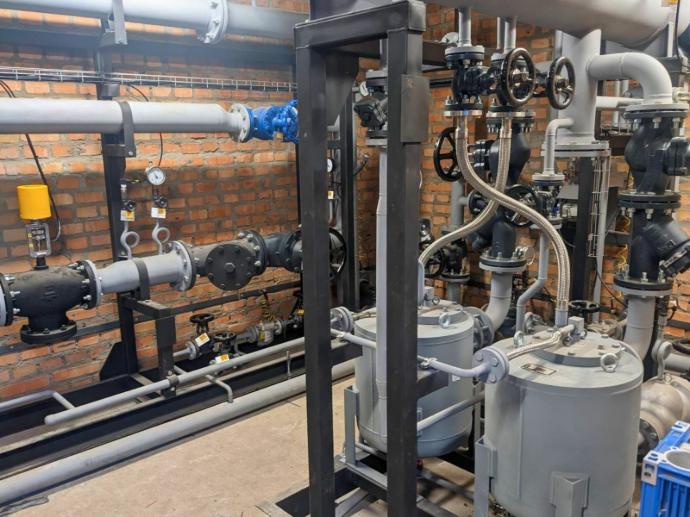
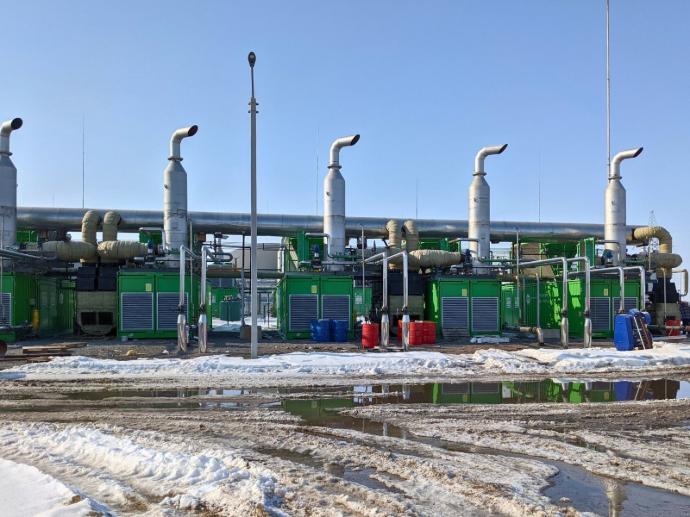
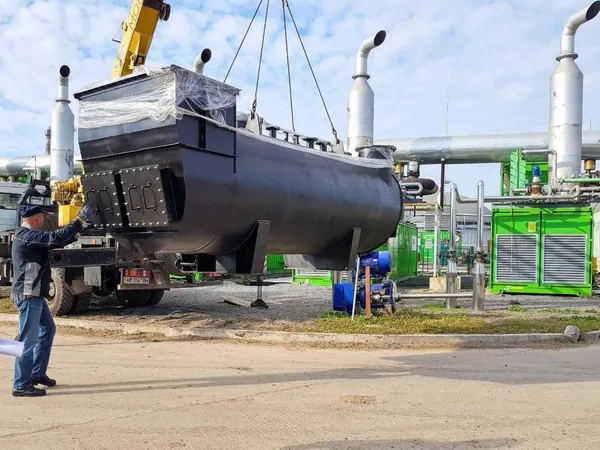
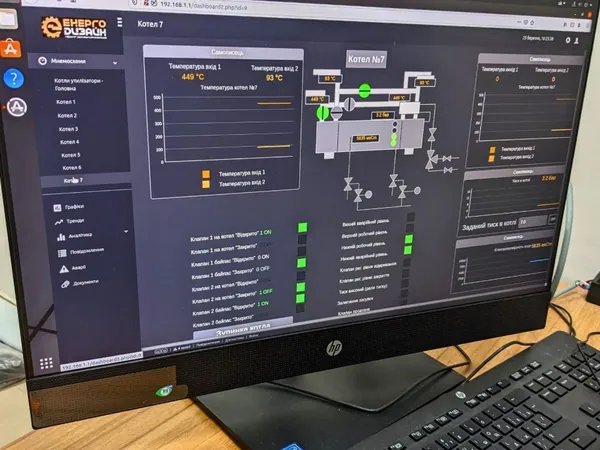
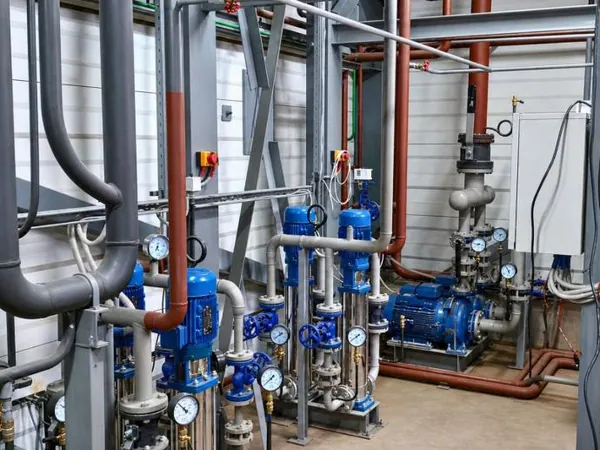
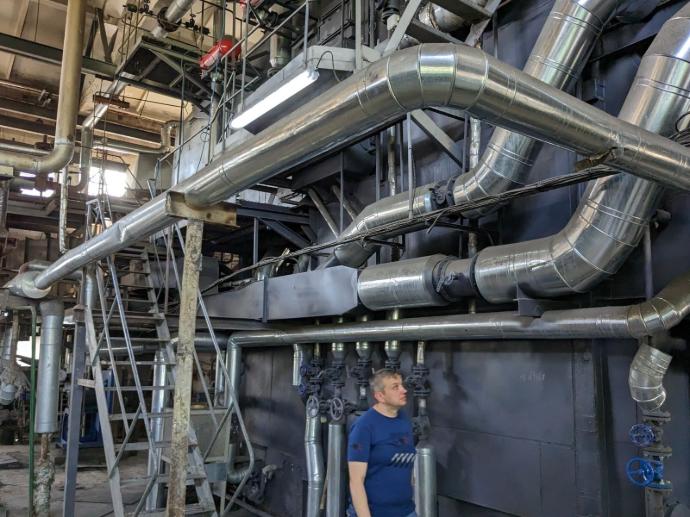
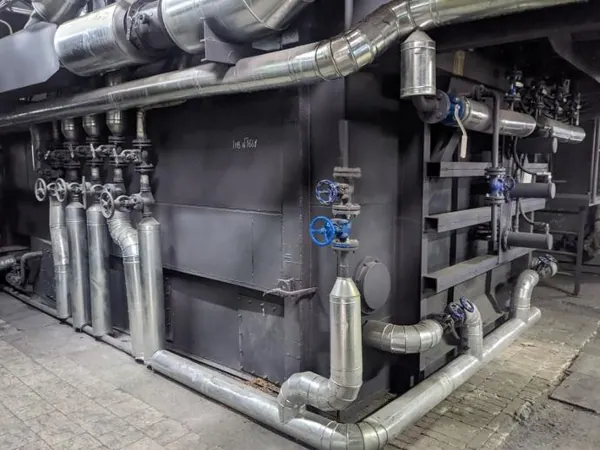
For a facility with already installed gas engine units, the task was to organize steam supply by recovering heat from exhaust gases. The solution included integrating seven waste heat boilers into a single steam system within the constraints of the existing outdoor site. A separate auxiliary module was developed to house water treatment, deaeration, feed pumps, and a steam distribution header supplying steam to the consumer through one common line. The project covered the full delivery cycle, from design to commissioning.
Technical parameters:
- CHP plant capacity - 20 MW electrical output
- Waste heat boilers - 7 units
- Total steam capacity - 10 t/h of saturated steam at 10 bar
New 6.5 t/h Steam Boiler Plant for an Oat Flakes Factory
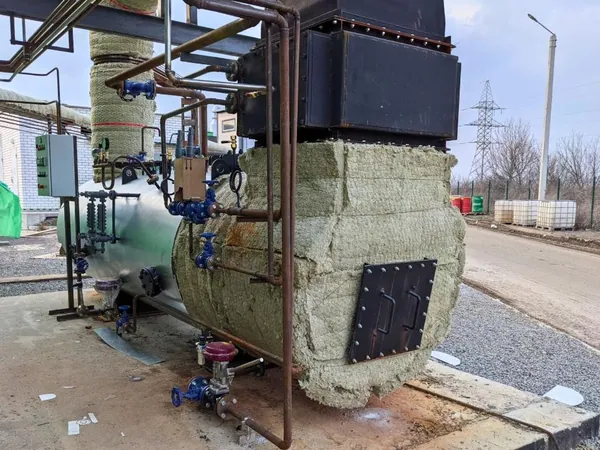
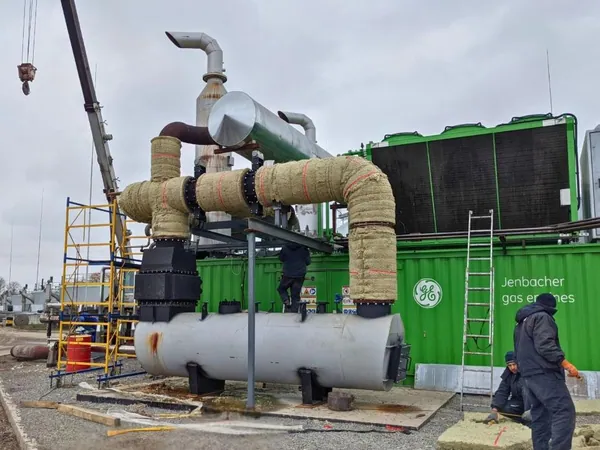
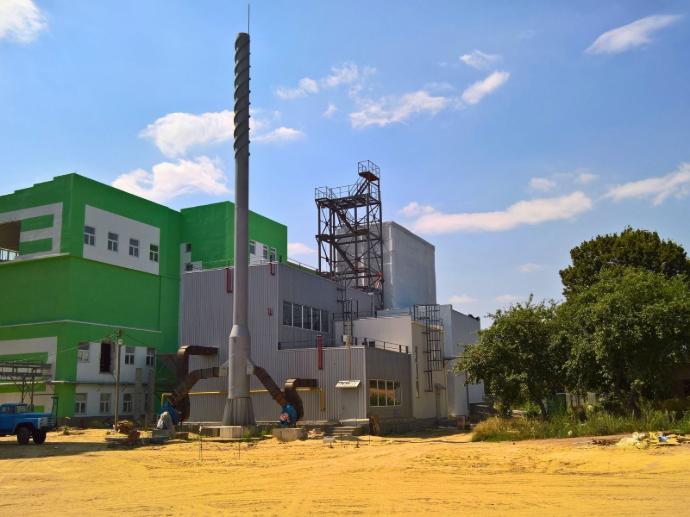
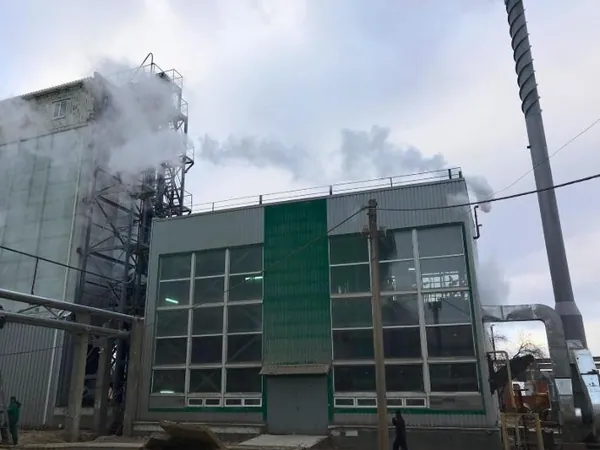
A new steam boiler plant was built from scratch for an oat flakes production facility, with oat husks, a byproduct of the process, used as the main fuel. The solution included two boilers: a 4 t/h biomass boiler and a 2.5 t/h standby gas-fired boiler. The boiler house also included water treatment, deaeration, fuel handling, ash removal, automation systems, and heat exchangers for hot water preparation for space heating and domestic hot water. The key engineering challenge was to develop a boiler design specifically suited for combustion of this type of fuel.
Technical parameters:
- Steam boiler plant - 6.5 t/h
- Main oat husk-fired boiler - 4 t/h
- Reserve gas-fired boiler - 2.5 t/h
- Steam pressure - 10 bar
- Type of facility - new boiler house for an oat flakes factory
Boiler reconstruction for firing a mixture of oat husk and elevator waste
The original vortex combustion system could not operate stably on the new fuel. The boiler, which our team had originally installed for Skvyrskyi Grain Processing Plant, had been designed for buckwheat husk combustion, but changes in the plant’s fuel balance required a transition to a mixture of oat husk and elevator waste. As part of the reconstruction, the fuel feeding unit was modified, the membrane walls were rebuilt to install our moving grate, ash removal was organized, and the air supply zones were redistributed. The boiler’s original capacity was 12 t/h, and after integrating the new furnace it was reduced to 10 t/h, which still remained sufficient for the plant’s needs. The result of the reconstruction was stable combustion of the new fuel without constant shutdowns, fewer slagging problems, and continued operation of the boiler under new conditions.
Technical parameters:
- Capacity after reconstruction - 10 t/h
- Steam pressure - 14 bar
- Steam temperature - 250°C
- Fuel after reconstruction - mixture of oat husk and elevator waste.
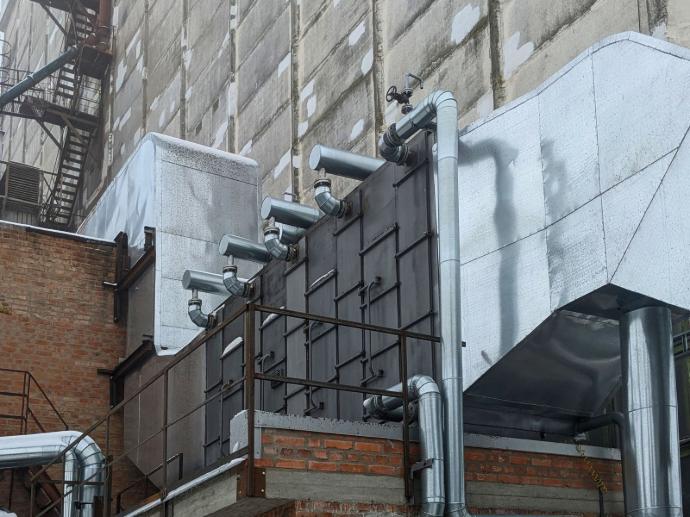
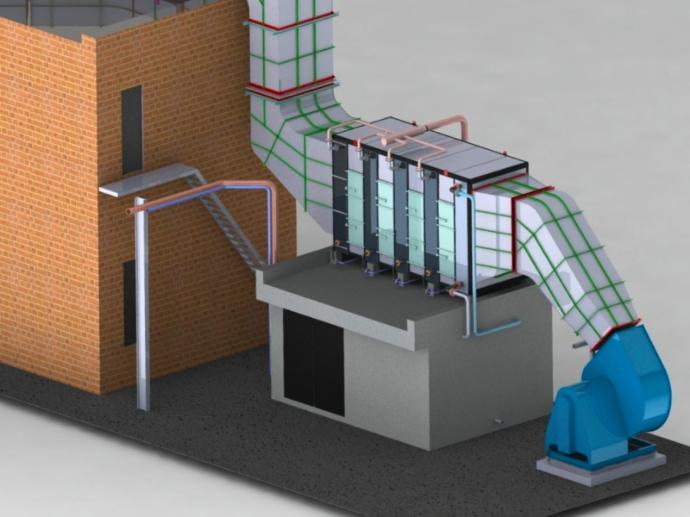
Grain dryer conversion to steam heating
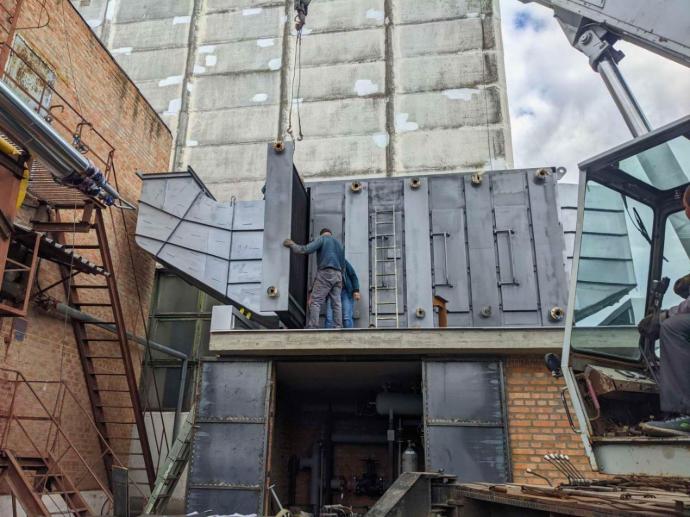
Drying without contact with combustion products became the key advantage of this project. We converted an A1-DSP-50 grain dryer from gas firing to steam heating supplied by our biomass boiler operating on the company’s own waste. Within the EPC contract, we completed design, engineering calculations, manufacturing, and installation of the equipment. The main engineering challenge was integrating steam heating into an existing dryer originally designed for natural gas operation. As a result, the plant gained the ability to dry corn on biomass without loss of product quality due to the absence of contact between the grain and combustion gases.
Technical parameters:
- Dryer capacity - 50 t/h
- Airflow - 120,000 m³/h
- Air temperature - 130°C
- Steam air heater capacity - 5 MW